Retrofit insulation in Cedar Rapids IA - warmer rooms without tearing out walls
Drafty rooms, cold floors or a hot upstairs in an older house? We seal the gaps and add insulation where it's missing, without gutting walls.
Can you add insulation to a house that's already built?
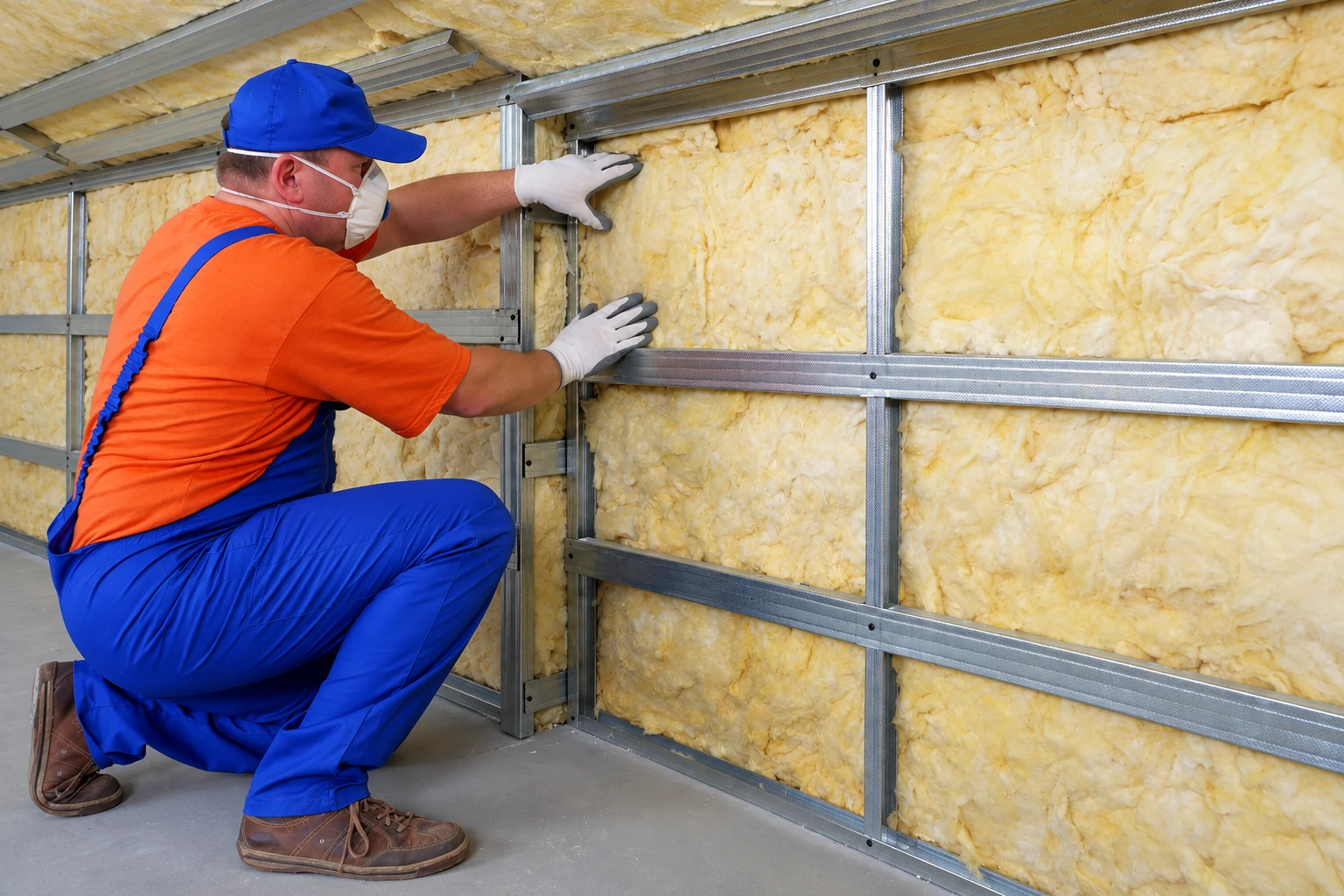
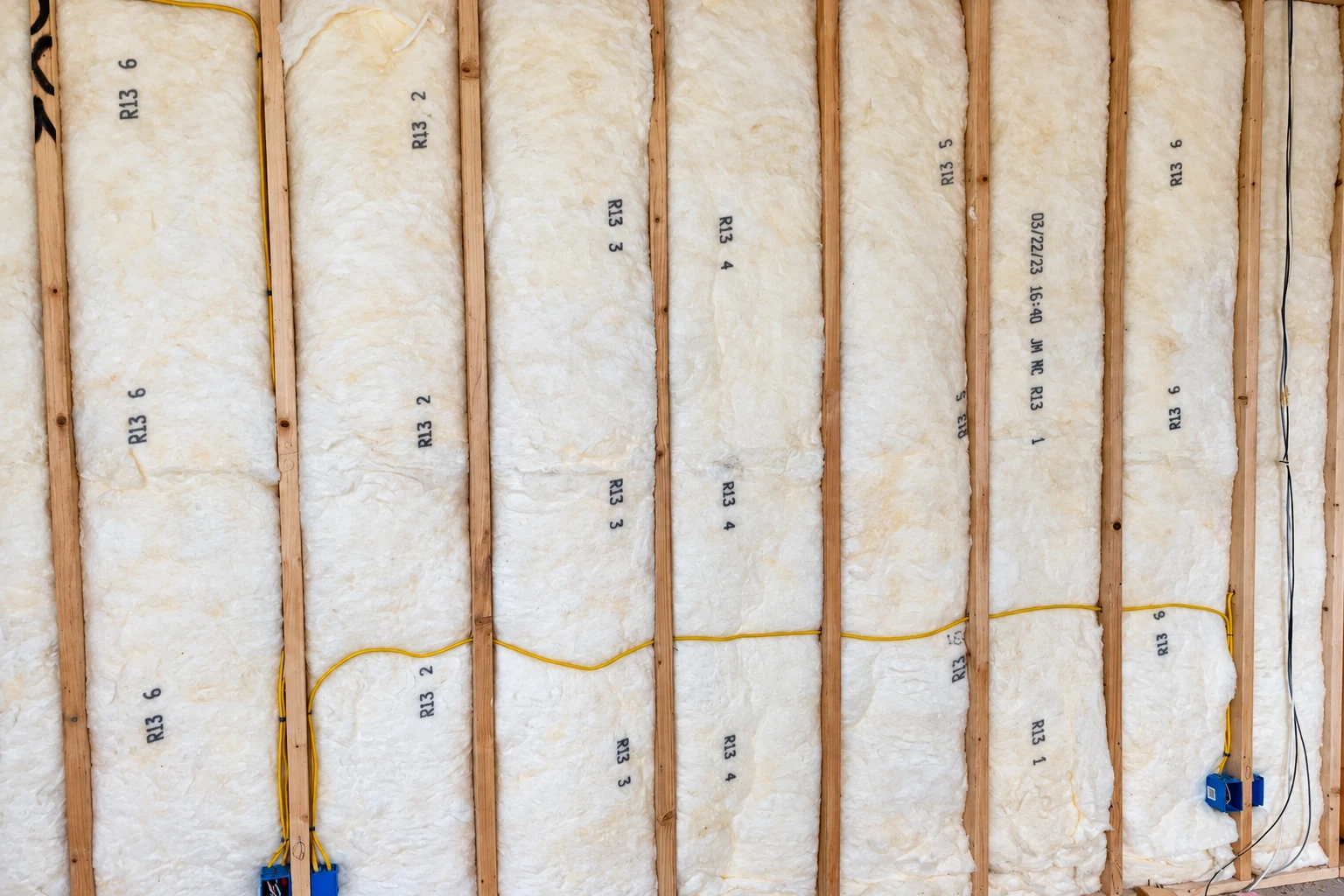
Yes. Retrofit insulation means adding insulation to a finished Cedar Rapids home, in the attic, the walls, over a crawl space and along the basement rim joists, and when it's done along with sealing air leaks, the heat stays in the rooms you live in. Most attics and walls can be done without tearing anything out.
Most folks who call us have a bedroom that never warms up, floors that chill your feet, or a power bill that climbs every January, and in an older house they often aren't sure what's in the walls at all. The price and the schedule come down to the same few things: how many inches are already in the attic, how much wall needs filling, how easy the spaces are to reach, and whether anything old has to come out first through insulation removal. I write your estimate after I've been up in your attic and looked at your walls, so the figure fits your house and not a guess.
How we handle retrofit insulation on your house
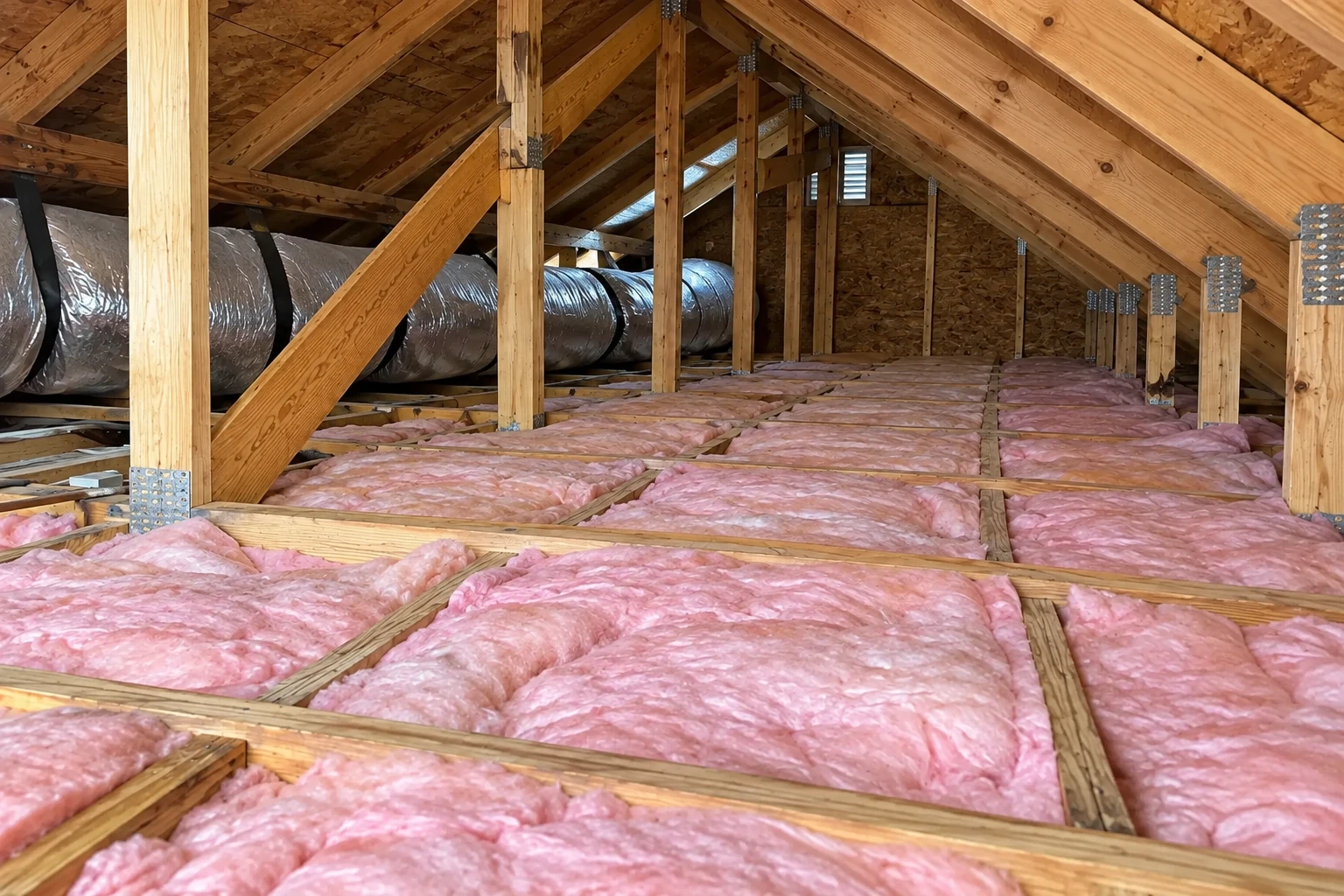
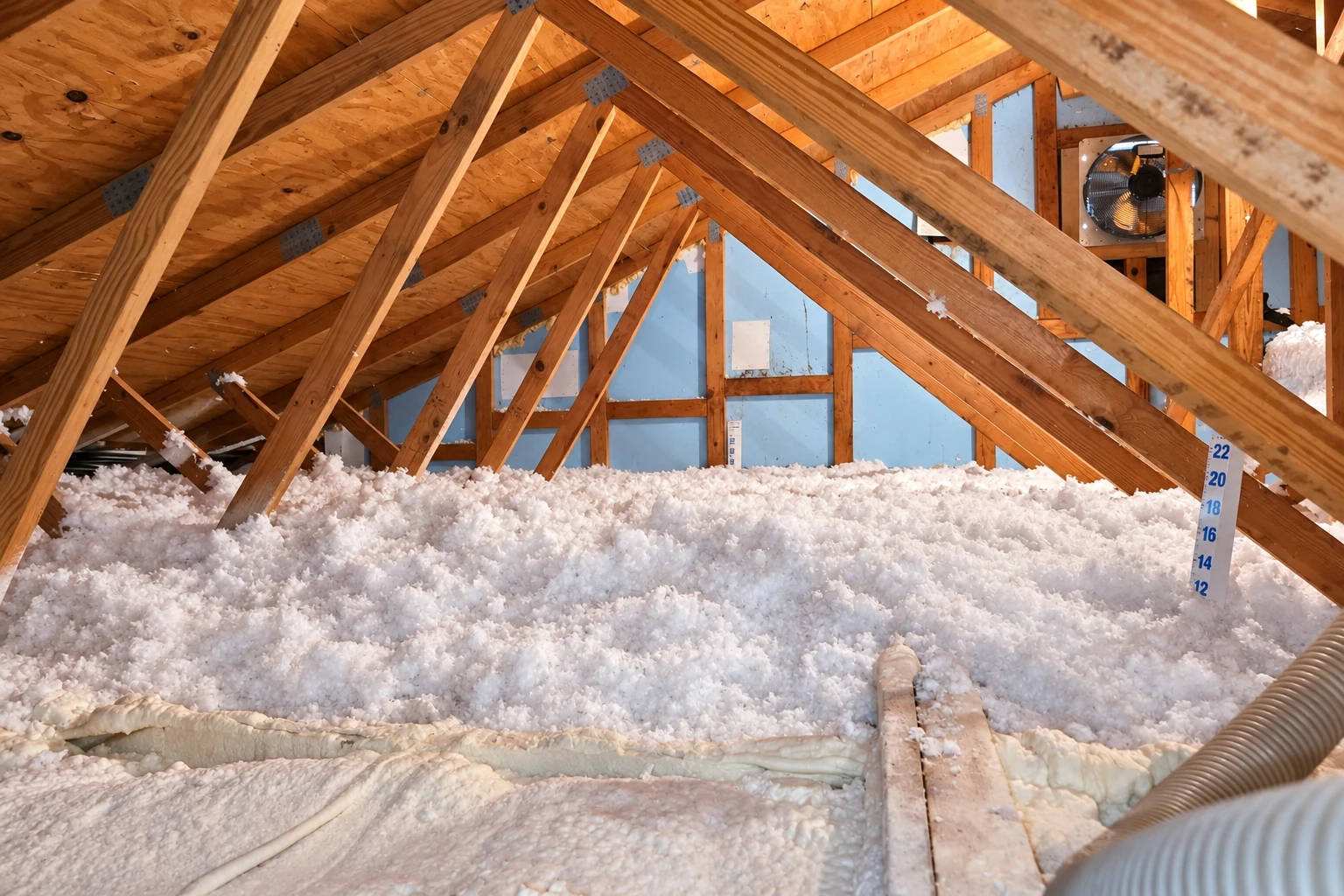
I start by going up in the attic and checking the walls, because growing up on a farm teaches you not to spend money on a fix until you know what broke. Adding to an existing home is mostly about access, so before anyone drills we plan around kitchen cabinets, bathroom tile on outside walls and the way your house was framed. Our crew then does the air sealing first, closing the gaps around light fixtures, pipes and the attic hatch, so the new insulation isn't fighting a draft. After that we blow in loose fill through a hose, keeping it as deep at the edges as in the middle and keeping it off the vents at the eaves, where the roof meets the walls, so the attic can still breathe. In the walls we fill each cavity through small holes and patch them, and when the installers are done I walk through the job with you.
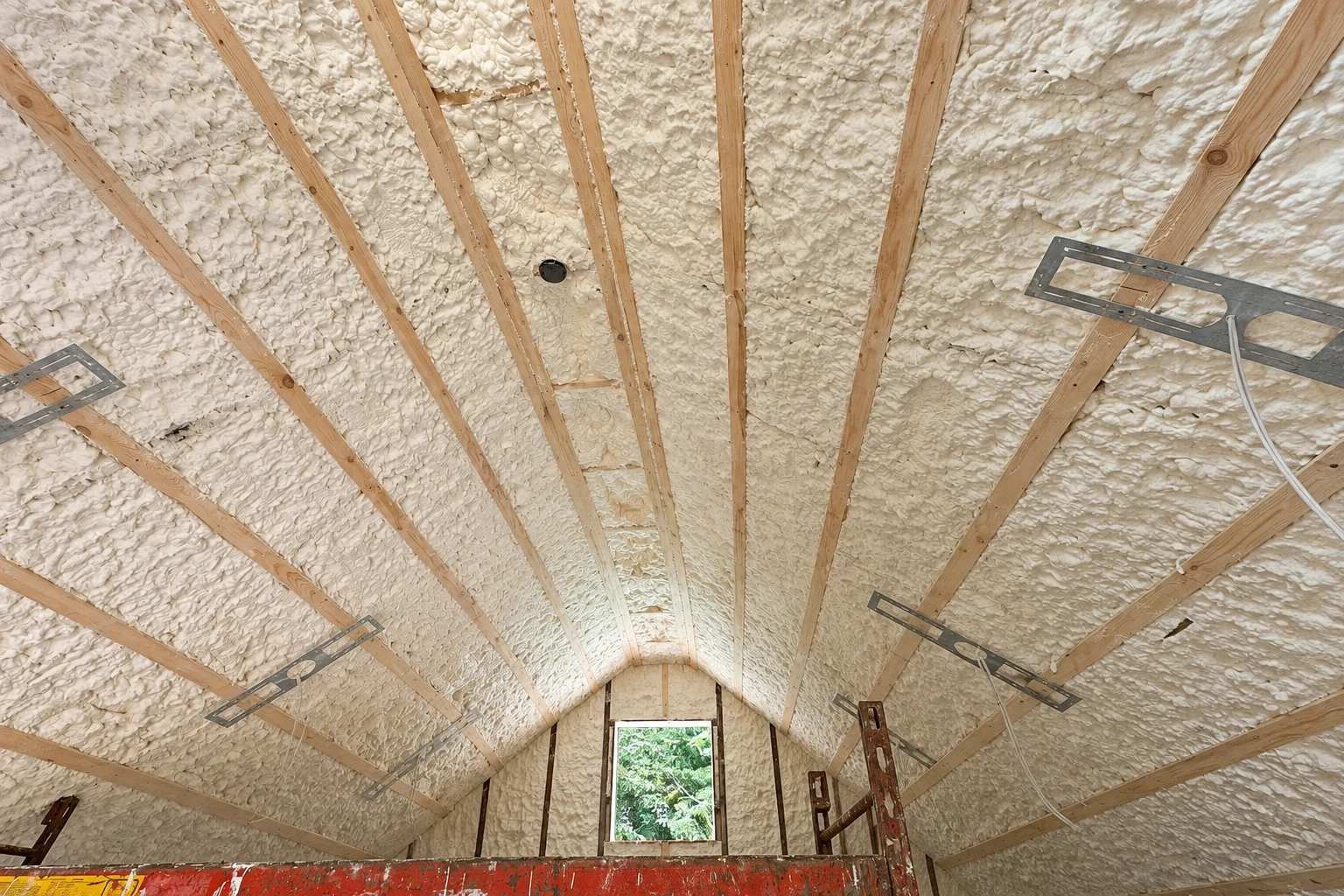
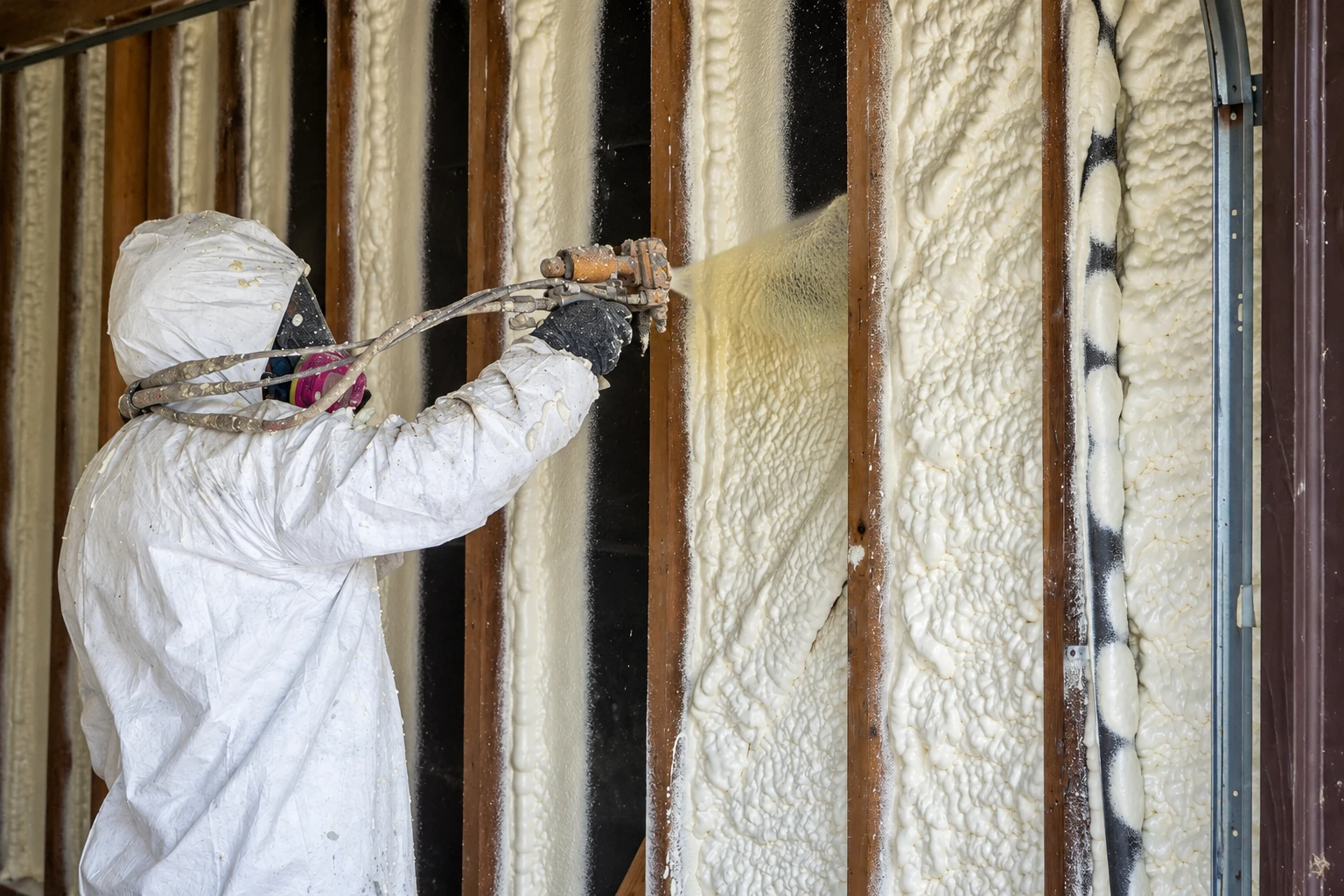
Some spots don't take loose fill well. Where ductwork runs through the attic, or along the rim joists where the house framing sits on the foundation, spray foam insulation costs more but seals the air and insulates in one pass, and that's where I'll recommend it. For an open attic, sealing the gaps and topping up with attic insulation usually gets you there for less, and that's where most houses land.
Walls filled from inside
This suits most houses because it leaves the house wrap behind your siding untouched, and that layer is what keeps rain off the framing. We plan around cabinets, and a few tiles on a bathroom's outside wall may need to come up before we drill.
Walls filled from outside with new siding
If new siding is coming, that's the best time to fill the walls from outside, because the old siding is already off and the house wrap can be checked or replaced before the new siding goes on. Drilling from outside any other time means cutting that wrap and patching it, so I'll help you time the insulation with your siding job.
Retrofit insulation in Cedar Rapids and Iowa rules that touch it
Iowa requires anyone who earns at least $2,000 a year from construction work to register with the state. Homeowners working only on their own property don't have to register, and I'm glad to tell you which small jobs, like weatherstripping the attic hatch, are fine to do yourself.
If money's tight, Alliant Energy's weatherization program describes trained pros making energy updates for free in qualifying homes, and that work can include insulation and sealing air leaks. Eligibility goes by household size and gross income, and you start by contacting your local community action agency. We're based in Cedar Rapids and work in the cities around it, across Linn County and south toward Iowa City, and a lot of what we open up here is older framing with thin, settled insulation and open gaps around the chimney and plumbing. We see the same setups on jobs in Marion and Iowa City, so we check what's there before deciding how to add to it.
Insulation work, start to finish
Why call us for retrofit insulation
I write every estimate myself
I come out to look at every job, our installers do the work, and I go over it with you at the end. The work is backed by our satisfaction guarantee, so you're talking to the same person from the first look to the final walk-through.
Licensed and insured for this work
We're licensed and insured. That matters when a crew is drilling into the outside walls of the house you live in.
Older houses checked before covering
Since 2021 a lot of our calls have come from older Cedar Rapids homes where nobody's sure what's up in the attic, so we look for soaked or dirty old fill before anything new goes over it. Covering a problem only hides it, and you'd be paying twice.
On a finished house, getting the order of the work right matters most, because whatever's underneath gets covered up. When you're ready, send us a note or call (319) 536-8073 and I'll set a time to come look.
(319) 536-8073Get a retrofit insulation estimate for your house
We reply within one business day to set a time, then I come out, look at your attic and walls, and write the estimate myself. It's free, done on site, and there's no obligation to go ahead.
Retrofit insulation questions from Cedar Rapids homeowners
How much does retrofit insulation cost in Cedar Rapids?
Blown-in attic insulation usually costs about $4 to $7.50 per square foot across the US, and that's the market's figure for attics, not a quote from us. Walls price differently because of the drilling and patching, and any job moves with how much is already there, how easy it is to reach and whether old material comes out first. I'll give you your own number after I've looked at the house.
Can my existing walls be insulated without tearing out the drywall?
Usually, yes. The common way is drill and fill, where small holes go near the top of each wall cavity and insulation is blown in, and it's one of the less disruptive ways to do the walls of a finished house. Installers also drill above doors, around windows and behind cabinets on outside walls, which is why we plan the layout before starting.
What should I do if my attic has vermiculite insulation?
Leave it alone and don't stir it up. Vermiculite is a pebbly pour-in fill, usually gray-brown or silver-gold, and the EPA says it may contain asbestos and is best left undisturbed. The EPA also advises that any removal be done by a trained, accredited asbestos abatement contractor separate from whoever assessed it, so if I find it, I'll stop, show you, and we'll plan the rest of the job around it.
How do I find out how much insulation is already in my walls?
The usual checks are a small cut in the drywall, a look beside an outlet box with the power off, or an infrared camera. You can ask any installer which check they plan to use. I'll tell you mine at the estimate and show you what turns up.
Do I need to worry about lead paint in a house built before 1980?
It's worth knowing about before work starts, not worrying over. In homes built before 1980, owners should be aware of lead safety rules, and how much they apply depends on how much the job disturbs the exterior walls. Tell me your build year when you call, and we'll plan the wall work with that in mind.
How long does retrofit insulation take, and do we have to leave the house?
The schedule turns on how many walls need filling, how hard the attic is to reach and whether anything comes out first, so I'll lay out the plan for your house at the estimate. With blown-in work most families stay home while we keep out of the rooms they're using. Spray foam is different because it has a re-entry time, a wait before people and pets come back in, and we follow the foam maker's instructions on it.
Ask about retrofit insulation for your house
Call (319) 536-8073 or use the form, and have your build year, attic access and any siding plans handy so we can plan the visit.