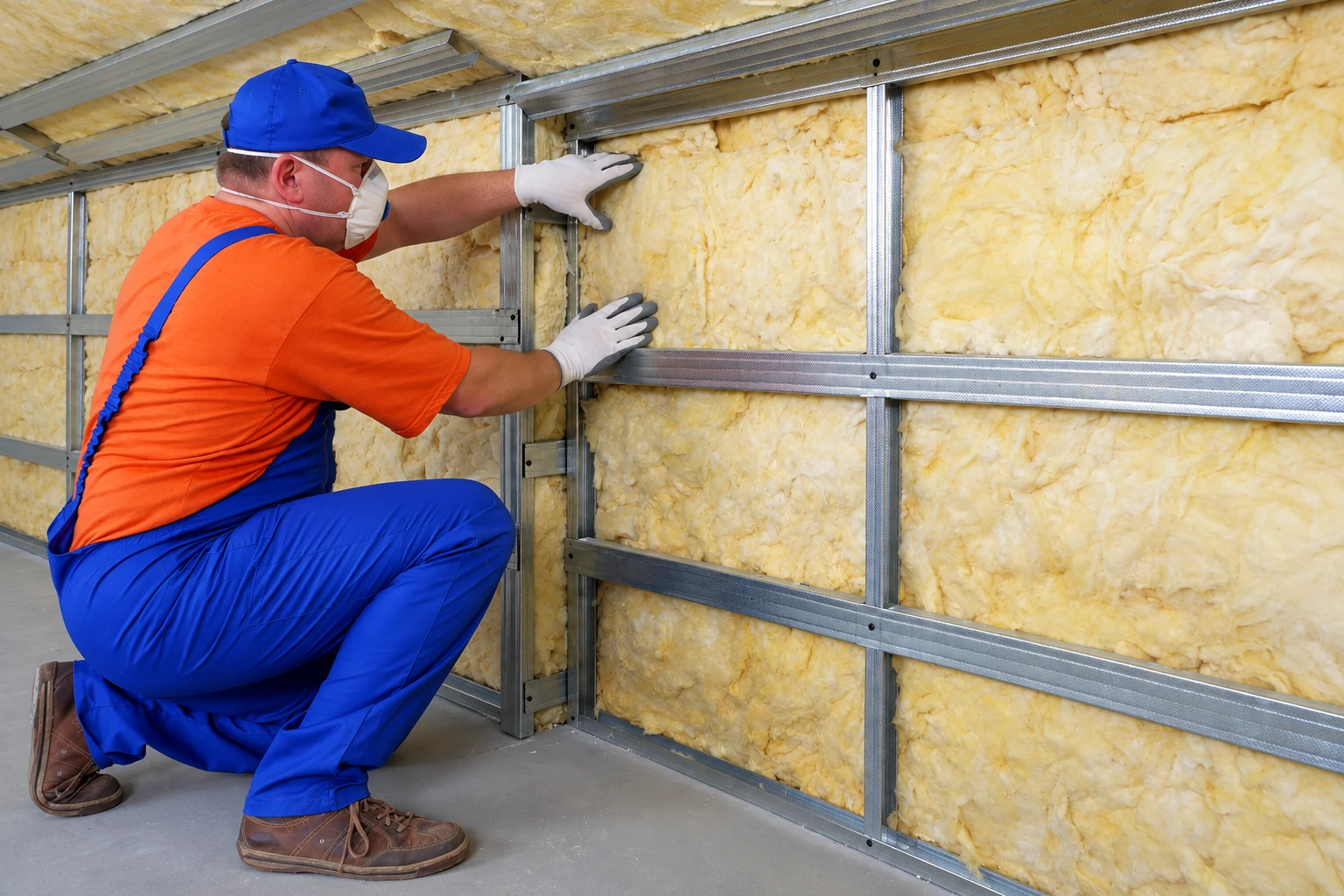
Wall insulation in Cedar Rapids IA - evenly filled walls that hold the heat
Cold outside walls and drafty rooms usually mean empty or slumped wall cavities. We pack them full so your rooms stay comfortable.
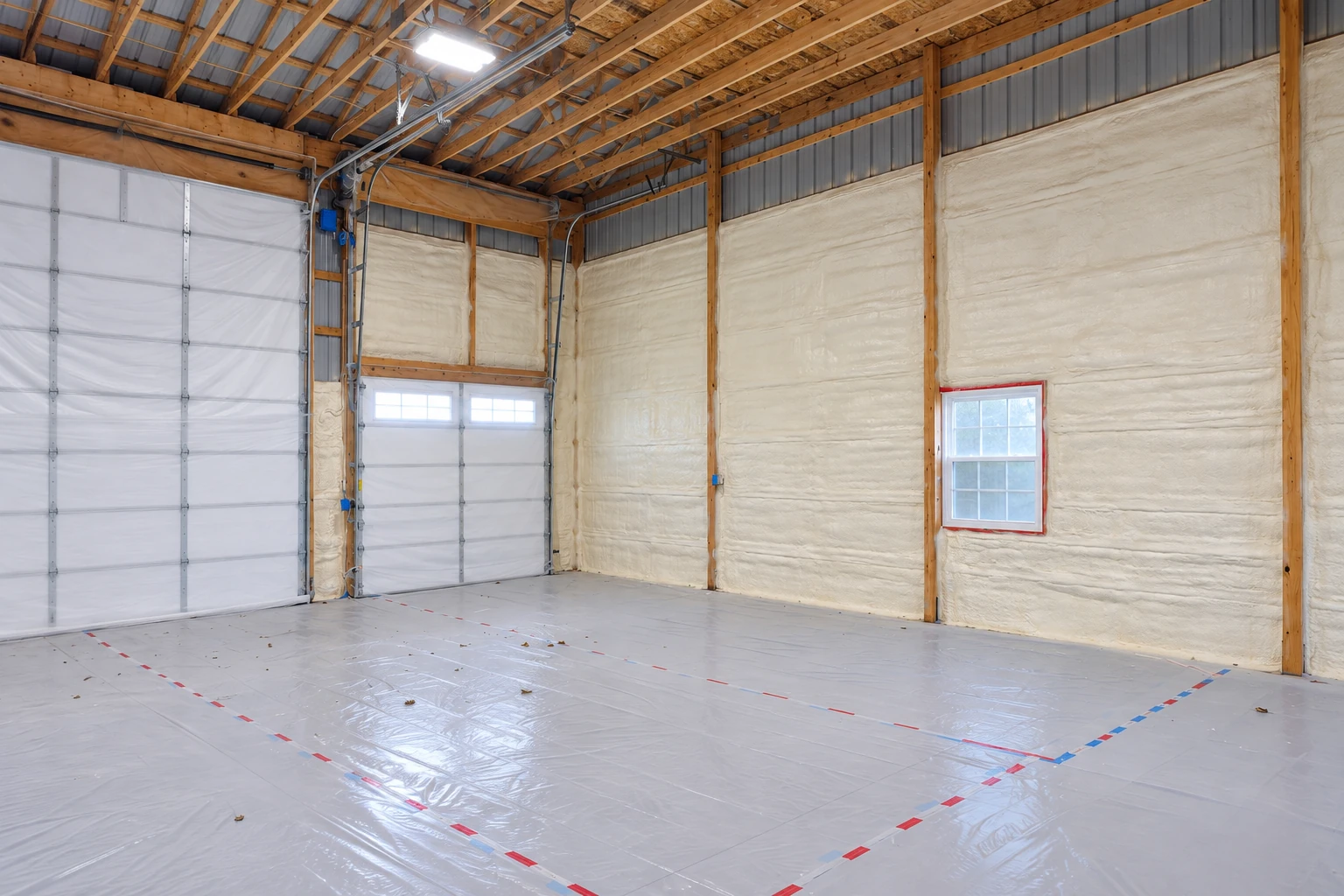
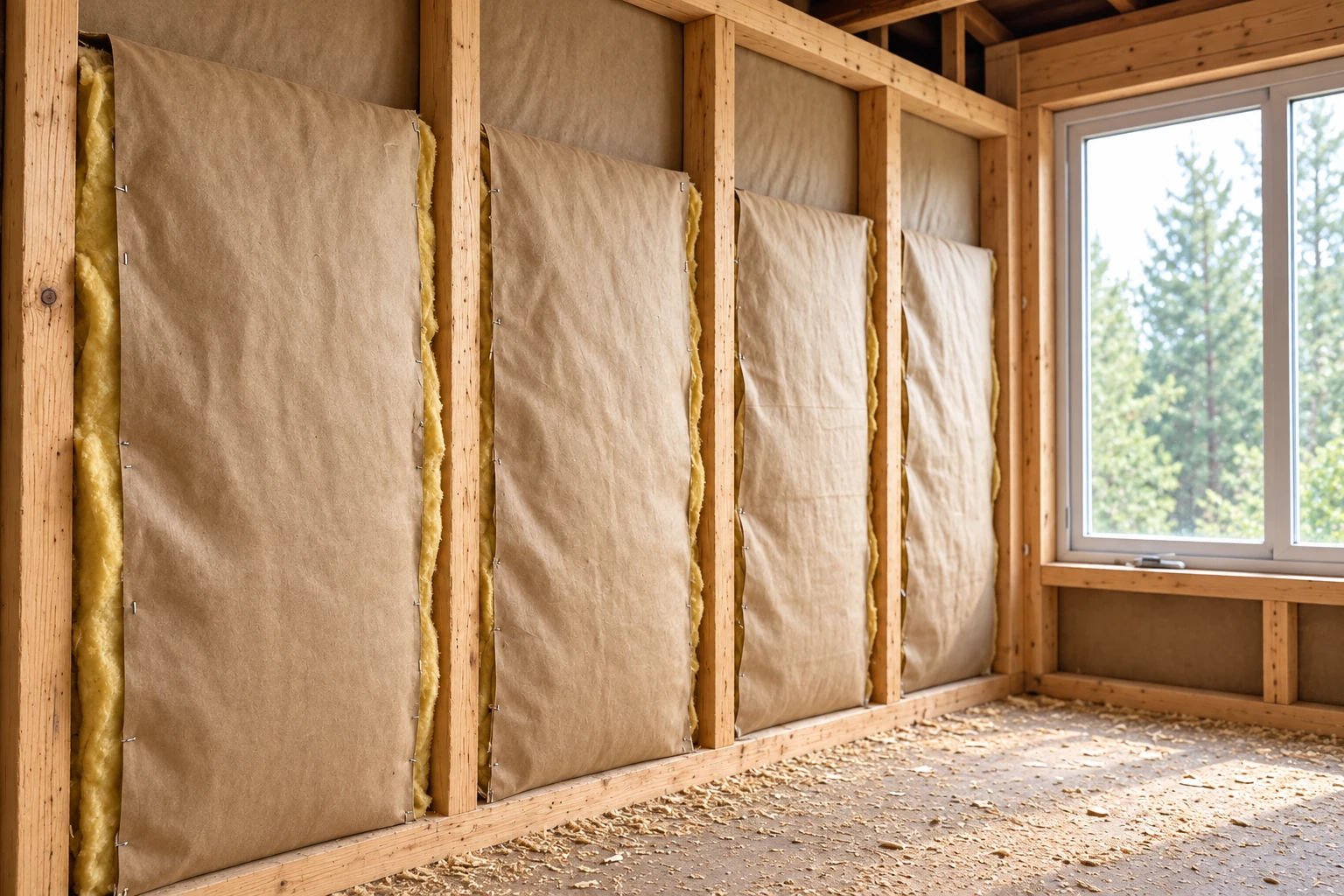
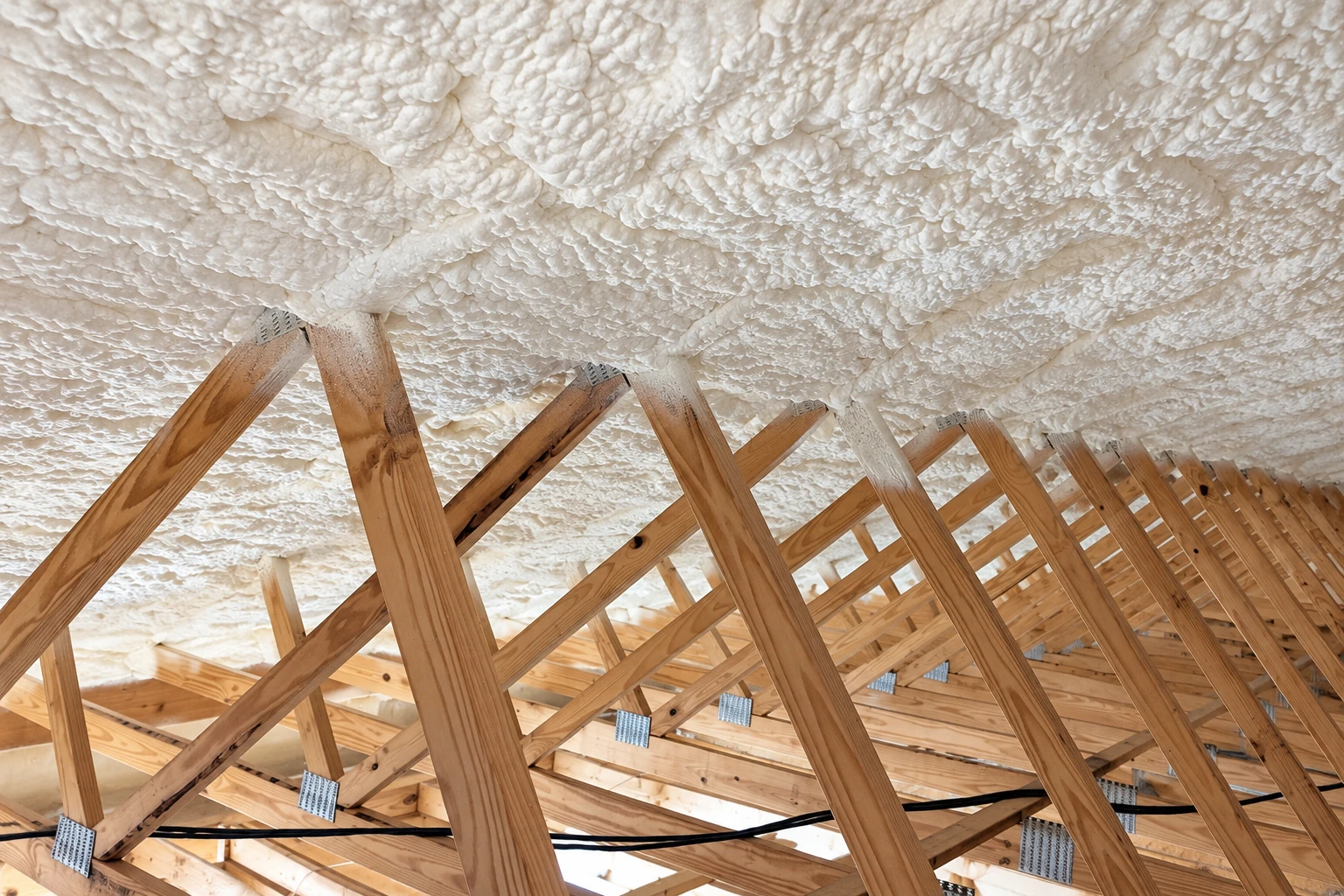
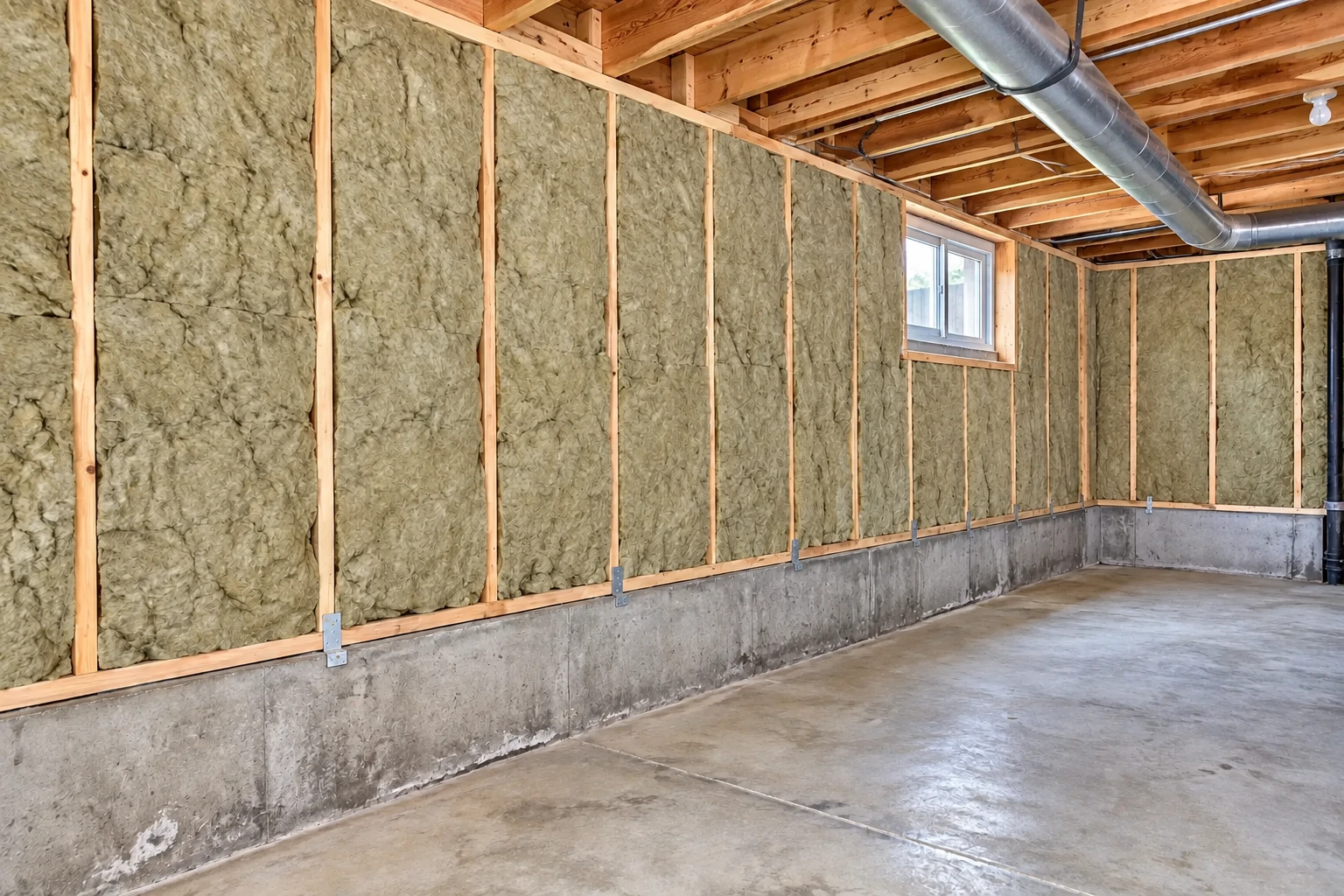
How do you insulate walls that are already closed up?
Wall insulation in Cedar Rapids, IA, for a house that's already built is usually done by drill and fill. We drill small holes near the top of each wall cavity, blow insulation in until the cavity is packed tight, and patch the holes, so you get warmer rooms without tearing out drywall or plaster.
Most people who call me about walls have a room that never warms up, an outside wall that feels cold to the hand in winter, or an older house where nobody knows what's behind the plaster. The price mostly turns on how many square feet of wall need filling, whether we drill from inside or outside, what the walls are covered with, and whether old wiring or painted surfaces have to be handled first. The schedule turns on those same things, and on whether new siding is coming anyway, since that changes which side we work from. If the room over it is cold too, I'll also look at whether attic insulation belongs in the plan. When I come out, I look at your walls myself and write the estimate, so you know what you're paying for before anyone drills a hole.
How our crew handles wall insulation
I start by looking at the walls myself, checking what's already in them and what kind of wiring the house has, because knob-and-tube has to be dealt with before a wall gets filled. Then our installers cover the floors, drill a small hole near the top of each cavity, the space between two studs, and dense-pack blown-in insulation, loose fill blown through a hose, until the cavity is full and there's no give left, the way you'd tamp dirt around a fence post so it won't wobble. Once a wall is done we go back over it looking for spots that didn't fill, top those off, then plug and patch the holes and clean up.
A packed wall still loses heat if air slips around it at outlets, top plates and the rim joist, so we often pair this job with air sealing, closing those gaps so the insulation isn't fighting a draft. If your cold floors are coming from below, the foundation walls are usually the next place to look, and our basement insulation work covers those.
Drill and fill for finished walls
This suits most lived-in houses, where the drywall or plaster is in good shape and you don't want it torn out. We fill each cavity through a small hole and patch it, so the wall stays put and only the inside changes.
Insulating open walls during a remodel
If a room is already down to the studs, we can insulate the bare cavities before the new wall goes up. It's the easiest time to see every gap, so I'd rather catch a wall while it's open than drill it later.
Topping off walls with old fill
Plenty of older walls have insulation that slumped and left the top of each cavity empty. We dense-pack the empty part above the old fill, so the wall has insulation from the floor to the top plate.
Wall insulation in Cedar Rapids and the Iowa rules that apply
Iowa's residential energy code leaves remodeling of one- and two-family homes outside its scope, so it isn't what sets how we fill the walls of an existing house. Permits are a separate question, so before each job we check with the city or county office, and if they tell us a permit is needed, we take care of it. Painted walls bring one more rule. Drilling a painted wall disturbs the paint, and anyone paid for work like that in a home built before 1978 has to be certified, with workers trained in lead-safe practices, and in Iowa the state runs that program, so the year your house was built is one of the first things I ask.
A lot of the wall calls here come from older houses with plaster walls and wood siding, where the cavities were never filled or the old fill slumped to the bottom long ago. When a board runs across a cavity partway up, we drill above and below it so both sections get packed, and we find the same kinds of walls on jobs in Marion and Hiawatha. We're based in Cedar Rapids and work in the cities around it, across Linn County and south toward Iowa City.
Wall insulation work up close
Why call us for wall insulation
I write every estimate myself
I come out to look at every job, and in the older Cedar Rapids homes most of our calls come from, I'll show you what's behind your walls before I write a number. A homeowner who knows why we're doing something can make a better call on what to spend.
Insulating homes since 2021
I learned this trade working on other crews before I started this business in 2021. That time taught me where walls hide trouble, like blocking, slumped fill and old wiring.
Licensed and insured for your job
We're licensed and insured, and you're welcome to ask about it when I'm out for the estimate. That matters when a crew is drilling into the walls of your house.
The finished job walked through
Our installers do the work, and I go over it with you at the end so you see what was filled and where the holes were patched. Every job is backed by our satisfaction guarantee.
On a wall job, what's already inside the cavity decides the plan, so the first step is me looking at it. Set up a visit or call (319) 536-8073.
(319) 536-8073Get a wall insulation estimate written at your house
We reply within one business day, and then I set a time to come look at your walls and write a free estimate on site, with no obligation. It helps to have the year your house was built, whether new siding is in the plans, and the kind of wiring you have if you know it.
Wall insulation questions from Cedar Rapids homeowners
How much does wall insulation cost in Cedar Rapids?
Installing blown-in wall insulation usually costs about $3.90 to $4.60 per square foot across the US, which is a national figure for the market and not our price. Your number depends on how much wall needs filling, which side we work from, and whether wiring or lead-safe work has to come first. I'll write yours after I've looked at the house.
What is the best way to insulate existing walls, from inside or outside?
From inside, for most houses, unless you're re-siding soon. Going in from outside means breaking through the house wrap, the layer behind the siding that sheds water, and it then has to be patched or replaced, while working from inside leaves it alone. If new siding is already planned, that's the time to work from outside, check the wrap and add rigid foam under the new siding.
Is cellulose or fiberglass better for insulating the walls of an older house?
Both are the favored choices for closed walls when they're dense-packed, and properly installed cellulose can keep working for decades. The difference is water, because cellulose breaks down if it gets soaked, while fiberglass is lighter and isn't ruined by getting wet. If a wall has a history of leaks, I lean toward fiberglass.
Can you insulate walls that still have knob-and-tube wiring?
Not until the wiring is dealt with, because the National Electrical Code doesn't allow insulation applied to or packed around knob-and-tube wiring. In a house that still has it, the wiring gets handled first, and then we fill those walls. It's a normal step in an older home, and telling me about it when you call helps me plan.
Does an insulation contractor have to be registered in Iowa?
Yes, Iowa requires anyone who earns at least $2,000 a year from construction work to register with the Iowa Department of Inspections, Appeals, and Licensing. Insulation work counts as construction, so it's fair to ask any crew about it before they start drilling.
How do I tell if my walls already have insulation in them?
Shut off the breaker, take the cover off an outlet on an outside wall, and shine a flashlight along the edge of the box to see if there's fill behind it. One outlet only tells you about one cavity, and old fill often slumps to the bottom, so I check several spots when I come out.
Request a wall insulation estimate for your house
Call (319) 536-8073 or send the form, and I'll find which walls are losing your heat before you decide anything.